

Rebuilding hands that work — congenital differences, injury, tendon and nerve repair, and honest limits.
The hand surgery service of Chongqing West District Hospital treats the problems that decide what a hand can do: congenital differences in children, tendon and nerve injuries, thumb loss, and the scars and stiffness that follow trauma. Function comes first, and every plan is explained honestly, including what cannot be restored.
Function before appearance, therapy planned from the first day, and the full safety net of a tertiary general hospital behind every operation.
- Function before appearance
- Congenital care planned around the child
- Hand therapy from day one
- Tertiary-hospital safety net
A hand is judged by what it can do, not by how it looks
Every hand problem follows the same three principles — whether it is a child born with joined fingers, a divided tendon, or a hand that has stiffened after an injury.
Assess function first
What can this hand grip, pinch and feel? What is limiting it — skin, tendon, nerve, bone or joint? Assessment answers those questions before any technique is chosen, and it ends with an honest statement of what surgery can and cannot restore.
Operate only where it helps
Some hands need reconstruction, some need therapy, and some need no operation at all. In children especially, the decision is made around the child’s function and development rather than the parents’ anxiety. When surgery is right, it is planned in stages and performed with hospital-grade anaesthesia and monitoring.
Rehabilitate deliberately
Stiffness is the commonest enemy of a good hand result, and therapy is what holds it back. Splinting and graded exercise are prescribed from the first days after surgery with the same care as the operation itself, and they continue for months.
Hand surgery within a tertiary hospital
The hand service sits inside the Plastic Surgery & Aesthetics Medical Center of Chongqing West District Hospital, alongside aesthetic surgery, skin and laser care, and dermatology, with the full resources of a tertiary general hospital behind every operation.
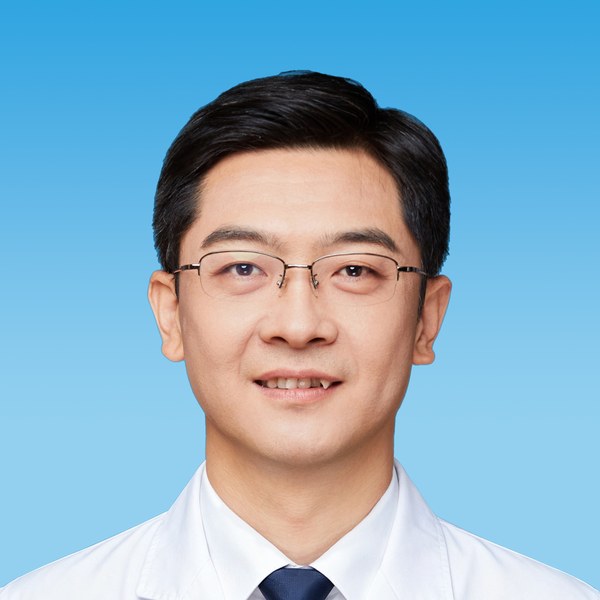
Shaoliang Wang, MD (王韶亮)
Center Director · Hand Surgery Lead
Center Director of the Plastic Surgery & Aesthetics Medical Center and lead physician of this hand surgery service. His practice covers congenital hand differences, tendon and nerve injury, scar and contracture management, and complex soft-tissue reconstruction, with more than two decades of tertiary-hospital surgical experience.
View profile →
Tongchun Mao, MD (毛彤春)
Aesthetic Surgery · Deputy Director
Deputy Director of the Center and head of its aesthetic surgery service. Contributes closure and refinement technique when a reconstruction must also leave a hand that looks as natural as it functions.
View profile →
Ke He, MD (何锞)
Skin & Laser Aesthetics · Deputy Director
Deputy Director of the Center and head of skin and laser aesthetics. Supports scar prevention and scar management after hand surgery, and optimizes skin quality before and after reconstruction.
View profile →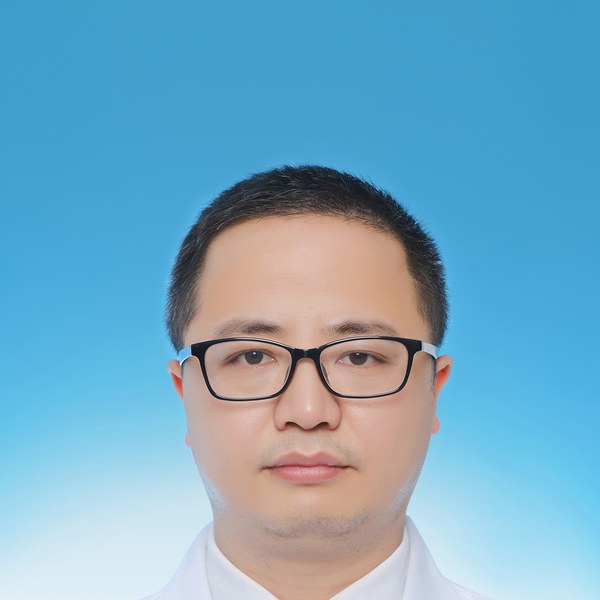
Yongbo Jia, MD (贾勇波)
Dermatology · Deputy Director
Deputy Director of the Center and head of dermatology. Preoperative skin assessment and the dermatologic care that healing hands, grafts and flaps depend on.
View profile →The hand, explained honestly
Start with the basics: what each operation can and cannot restore, why nerve recovery is slow and often partial, why stiffness is the commonest problem, and what hand therapy actually does.
What Hand Surgery Covers
What hand surgery treats — congenital differences, trauma, tendon and nerve injury, and post-operative reconstruction — and why the specialty puts function first.
Read the guide →Congenital Hand and Foot Differences
What congenital hand and foot differences are, why they happen, and when surgery genuinely helps a child rather than simply reassuring anxious parents.
Read the guide →Syndactyly: Joined Fingers
The types of syndactyly, why the timing of release matters for growth, and the flap and skin graft techniques used to separate joined fingers.
Read the guide →Polydactyly and Extra Digits
How extra fingers and thumbs are assessed, why reconstructing the remaining digit matters more than simple excision, and what decides the final result.
Read the guide →Tendon Injuries and Repair
Why early treatment of a divided tendon matters, how flexor and extensor repairs differ, and why rehabilitation decides the result more than the suture technique.
Read the guide →Nerve Injuries of the Hand
Loss of sensation versus loss of movement after nerve injury, why nerve recovery is slow and often incomplete, and the options including grafting and tendon transfer.
Read the guide →We will not sell you certainty we do not have
No surgeon can promise that a repaired nerve will recover fully, that a reconstructed thumb will match the other side, or that a hand will not stiffen. Anyone who does is not giving you honest medical advice. Our job is to help you make a well-informed decision — even when that decision is to wait, to choose therapy alone, or to stage the plan.
Ready to discuss your hand or your child’s hand?
Reach out for a consultation. We will assess the hand, explain what surgery can and cannot restore, and plan treatment and hand therapy with you.
Part of Reconstructive Surgery — 9 sites on this topic